
Over Moulding & Insert Moulding
Over moulding is a two-shot injection moulding process that bonds a soft, flexible material — typically a thermoplastic elastomer (TPE) or TPU — directly onto a rigid plastic or metal substrate. The result is a single, integrated component that combines structural rigidity with tactile comfort, eliminating the need for secondary assembly, adhesives, or mechanical fastening.
At Custom Molding Company, we manage both the primary substrate tooling and the overmould tooling as a single coordinated project from our quality-assured South African facility, delivering finished multi-material components at 40–60% below US and UK manufacturing costs.
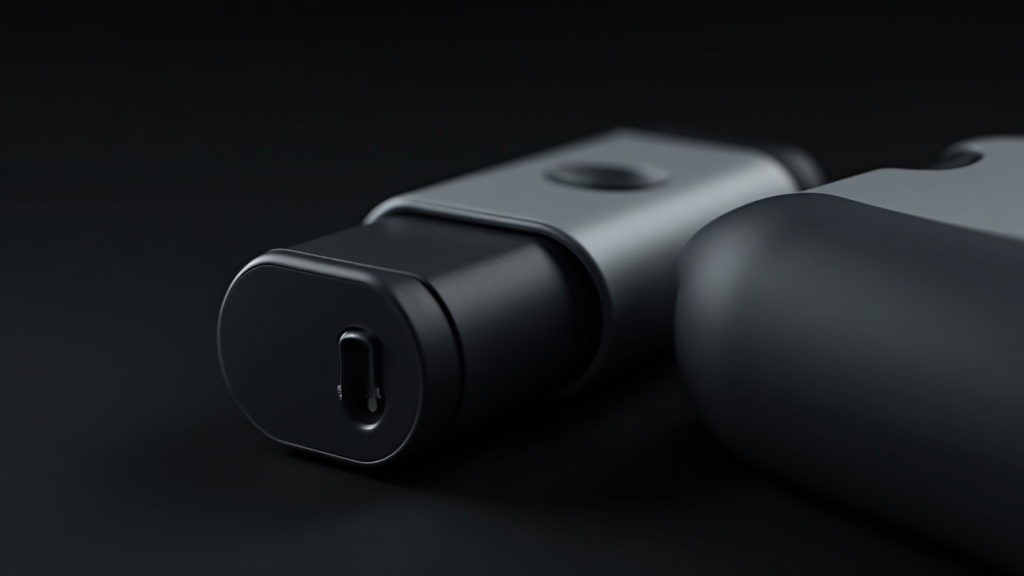
TPE soft-touch grip over moulded onto a rigid ABS substrate — Johannesburg, South Africa
Over Moulding vs. Insert Moulding
While both processes involve combining two materials in a single moulded component, they serve different engineering objectives.
"| Process | Substrate | Overmould Material | Primary Benefit | Typical Applications |
|---|---|---|---|---|
| Over Moulding | Rigid plastic (ABS, PC, PA) | Soft TPE / TPU / silicone | Ergonomics, grip, aesthetics | Tool handles, medical devices, consumer electronics |
| Insert Moulding | Metal insert (brass, steel) | Rigid thermoplastic | Threaded strength, conductivity | Threaded bosses, electrical contacts, structural anchors |
Material Compatibility
Successful over moulding depends on chemical and thermal compatibility between the substrate and the overmould material. The two materials must bond at the molecular level during the second injection shot — which requires compatible processing temperatures and, ideally, shared chemical families. Our engineering team evaluates material datasheets before committing to tooling.
| Rigid Substrate | Compatible Overmould | Bond Quality |
|---|---|---|
| ABS | TPE (Styrenic block copolymer) | Excellent — chemical adhesion |
| Polycarbonate (PC) | TPU | Good — mechanical interlock recommended |
| Nylon (PA6/PA66) | TPE-A (polyamide-based TPE) | Excellent — same polymer family |
| PP / HDPE | TPO / TPV | Good — requires mechanical interlock features |
Design Considerations for Over Moulding
The substrate must be designed with mechanical interlock features — undercuts, holes, ribs, and surface textures — to supplement chemical adhesion and prevent delamination under stress. The overmould wall thickness should be kept consistent (typically 1.5–3.0 mm) to avoid differential shrinkage and warpage. Our DFM review process evaluates all of these factors before steel is cut.
Industries & Applications
- Medical Devices: Ergonomic surgical instrument handles, diagnostic device grips, and soft-touch enclosures for patient-contact equipment.
- Consumer Electronics: Shock-absorbing over moulded cases, waterproof seals, and tactile button surrounds.
- Automotive: Gear shift knobs, steering wheel trim inserts, and vibration-damping brackets.
- Power Tools & Industrial: Non-slip grips, insulated housings, and ergonomic handle profiles for hand tools.
- Consumer Goods: Toothbrush handles, kitchen utensil grips, and multi-colour consumer product housings.
Ready to Eliminate Your Assembly Step?
Send us your substrate CAD file and overmould specification. We'll run a DFM review and provide a full tooling cost comparison.
Request Over Moulding QuoteCalculate Your Over Moulding Cost Savings
Landed Cost Arbitrage Calculator
Compare standard US/UK manufacturing against our quality-assured South African facility.