
Polypropylene (PP) Injection Moulding
Polypropylene (PP) is the world's second most widely produced thermoplastic, behind only polyethylene. Its combination of low density, excellent chemical resistance, high fatigue resistance, and low cost makes it the default material for a vast range of injection moulded products — from food packaging and consumer goods to automotive components and medical devices.
At Custom Molding Company, we process both PP homopolymer and PP copolymer grades from our quality-assured Johannesburg facility, delivering finished parts at 40–60% below US and UK moulding costs. PP is one of our highest-volume materials, and we stock both natural and pre-coloured grades for fast programme starts.
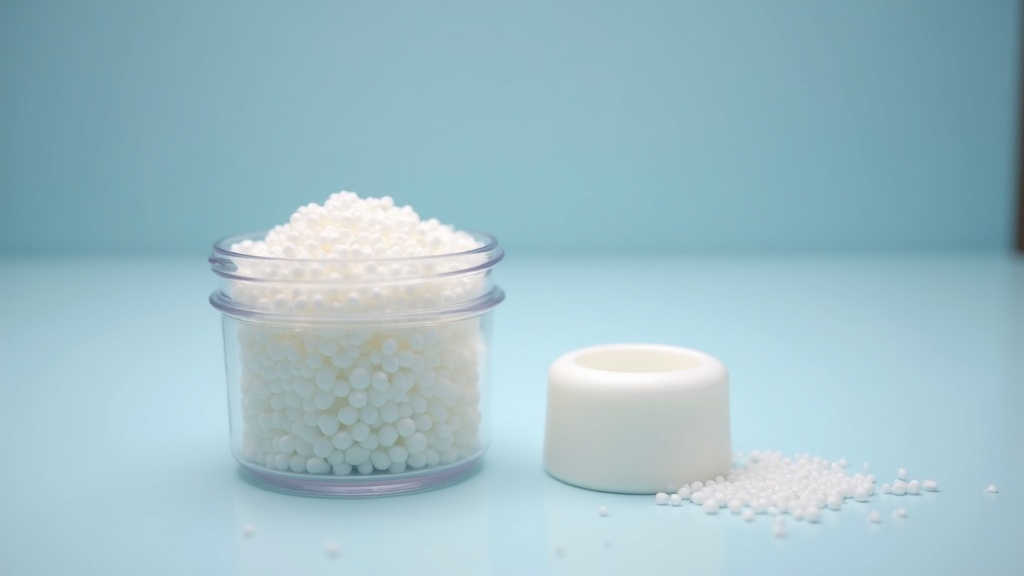
Polypropylene injection moulded components — Johannesburg, South Africa
PP Material Properties
The table below summarises the key mechanical and thermal properties of standard PP homopolymer and impact copolymer grades relevant to injection moulding design and material selection.
| Property | PP Homopolymer | PP Impact Copolymer | Test Standard |
|---|---|---|---|
| Density | 0.900–0.910 g/cm³ | 0.895–0.905 g/cm³ | ISO 1183 |
| Tensile Strength | 30–40 MPa | 20–30 MPa | ISO 527 |
| Flexural Modulus | 1,300–1,800 MPa | 800–1,200 MPa | ISO 178 |
| Izod Impact (notched) | 20–50 J/m | 100–600 J/m | ISO 180 |
| Heat Deflection Temp (0.45 MPa) | 100–115 °C | 90–105 °C | ISO 75 |
| Mould Shrinkage | 1.5–2.0% | 1.5–2.5% | ISO 294 |
| Melt Temperature (processing) | 220–280 °C | 200–260 °C | — |
| Water Absorption (24h) | < 0.03% | < 0.03% | ISO 62 |
PP Homopolymer vs. PP Copolymer: Which Grade to Choose
The choice between PP homopolymer and PP copolymer (random or impact) is one of the first material decisions in any PP moulding project. The right grade depends on the application's mechanical requirements, operating temperature range, and cosmetic expectations.
| Grade | Key Strengths | Limitations | Typical Applications |
|---|---|---|---|
| Homopolymer (PPH) | Stiff, high heat resistance, good clarity, low cost | Brittle at low temperatures, poor impact resistance | Rigid packaging, caps & closures, pipes, living hinges |
| Random Copolymer (PPR) | Better clarity than homopolymer, improved low-temp toughness | Lower stiffness and heat resistance than homopolymer | Transparent packaging, medical containers, food trays |
| Impact Copolymer (PPC) | Excellent impact resistance, good low-temperature performance | Opaque, lower stiffness, higher shrinkage | Automotive bumpers, crates, industrial containers, outdoor products |
The Living Hinge: PP's Unique Advantage
Polypropylene is the only common thermoplastic capable of forming a reliable living hinge — a thin (0.25–0.5 mm) integral flexure that connects two rigid sections of a moulded part and can flex millions of times without fatigue failure. This property makes PP the default material for hinged packaging (flip-top caps, pill organisers, tool cases) and any application where a separate hinge component would add assembly cost.
Living hinge design requires specific wall thickness transitions, gate placement relative to the hinge, and orientation of the polymer flow across the hinge during moulding. Our DFM review process includes living hinge validation for all applicable PP projects.
PP vs. Other Common Thermoplastics
| Material | Density | Stiffness | Chemical Resistance | Relative Cost |
|---|---|---|---|---|
| PP | 0.90 g/cm³ | Medium | Excellent | Very Low |
| HDPE | 0.94–0.97 g/cm³ | Medium | Excellent | Very Low |
| ABS | 1.02–1.05 g/cm³ | Medium-High | Moderate | Low |
| PC | 1.20 g/cm³ | High | Moderate | Medium |
| Nylon PA6 | 1.13 g/cm³ | High | Good | Medium |
Industries & Applications
- Packaging: Caps and closures, food containers, hinged boxes, trays, and thin-wall packaging for food and consumer products.
- Automotive: Battery cases, interior trim panels, bumper components, fluid reservoirs, and under-bonnet components requiring chemical resistance.
- Medical & Healthcare: Syringes, specimen containers, medical trays, and sterilisable medical device components (autoclave-compatible grades available).
- Consumer Goods: Storage bins, furniture components, appliance housings, and everyday household products.
- Industrial: Chemical storage containers, pipe fittings, pallets, and material handling components.
Moulding Considerations for PP
PP's high shrinkage rate (1.5–2.5%) requires careful mould design to prevent warpage, particularly in flat or thin-walled parts. Key considerations include:
- Uniform wall thickness is critical — differential shrinkage between thick and thin sections causes warpage in PP more than in lower-shrinkage materials like ABS.
- Gate location should be at the thickest section to ensure complete fill and minimise weld line formation.
- Mould temperature of 20–60 °C is typical; higher mould temperatures improve surface finish and reduce internal stress.
- Pre-drying is generally not required as PP has very low moisture absorption (<0.03%), but contaminated or recycled material should be dried before processing.
Start Your PP Moulding Project
Send us your part drawing and annual volume. We'll recommend the right PP grade, run a DFM review, and provide a full tooling and per-part cost comparison.
Request PP Moulding QuoteCalculate Your PP Moulding Cost Savings
Landed Cost Arbitrage Calculator
Compare standard US/UK manufacturing against our quality-assured South African facility.